Understanding Massage Therapy and Its Benefits
Massage therapy has gained immense popularity in recent years, transcending its traditional use solely as a luxury treatment. As we delve deeper into the world of wellness in 2026, understanding the core benefits of massage therapy becomes crucial. Not only does it offer physical relief, but it also nurtures mental well-being, making it an essential part of holistic healthcare. With a variety of techniques available, individuals can select what resonates best with their needs. For those seeking to explore 파주출장안마, there are numerous options to consider, especially in a culturally rich setting like Paju.
What is Massage Therapy?
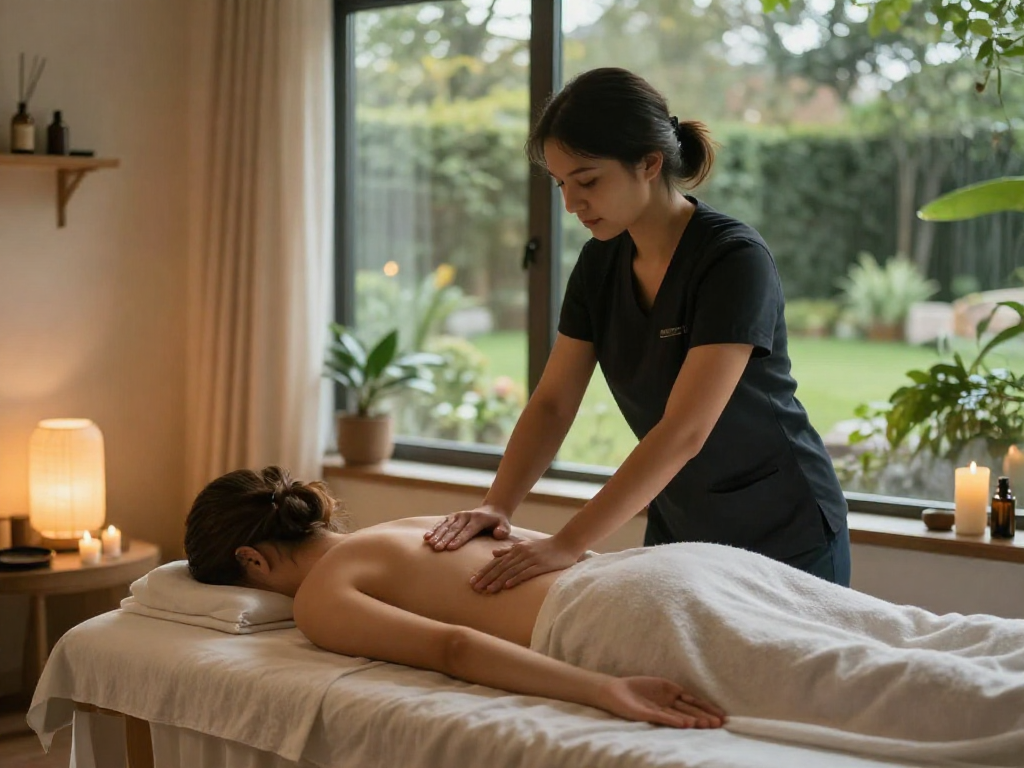
Massage therapy involves the manipulation of soft tissues in the body, including muscles, tendons, ligaments, and connective tissues. These manipulations can be done using various techniques such as stroking, kneading, rolling, pressure point work, and vibration. As a practice, it is both an art and a science, demonstrating the emotional and physical interplay of relaxation and healing. By applying pressure to certain areas, therapists can help release tension, alleviate pain, and improve circulation, which can be transformative for individuals seeking relief from the stresses of daily life.
Physical and Mental Health Benefits
The benefits of massage therapy extend beyond mere relaxation. Physically, it can help improve flexibility, reduce muscle tension, and accelerate recovery from injury. Increased circulation promotes better oxygen flow and nutrient delivery to muscles, which can enhance athletic performance. On the mental health front, massage therapy has been shown to reduce anxiety, depression, and stress by stimulating the release of endorphins, which are body’s natural painkillers and mood enhancers. Regular sessions can lead to long-term improvements in mood and overall emotional well-being.
History and Evolution of Massage Techniques
The origins of massage therapy date back thousands of years, with evidence found in ancient civilizations such as Egypt, China, and Greece. Techniques have evolved and adapted over time, influenced by cultural beliefs and practices. The integration of various medicinal philosophies, such as Traditional Chinese Medicine and Ayurveda, has shaped contemporary massage practices. Today, new techniques blend traditional methods with modern scientific findings, continuing to enhance the effectiveness and appeal of massage therapy.
Exploring Different Types of Massage
With numerous types of massage available, it can be overwhelming to choose the right one. Each type serves different purposes and caters to varying needs. As you explore your options, understanding what each technique entails can guide you in making informed decisions about your massage experiences.
Swedish Massage: Techniques and Benefits
Swedish massage is one of the most recognized forms of massage therapy, characterized by long, flowing strokes, kneading, and circular movements. It promotes relaxation and is particularly beneficial for individuals new to massage therapy. This technique helps enhance blood circulation, improve flexibility, and reduce muscle tension. Additionally, its soothing nature makes it an excellent choice for stress relief and mental clarity.
Deep Tissue Massage: When and Why?
Deep tissue massage focuses on the deeper layers of muscle tissue and fascia. Through the application of firm pressure and slow strokes, this technique targets chronic pain and muscle tension. It’s especially beneficial for individuals who engage in physical activities or suffer from conditions like arthritis or chronic pain syndromes. While it can be intense, the release of knots and tension can lead to profound relaxation and pain relief.
Traditional Korean Massage Methods
Traditional Korean massage, or 'Anma', combines various techniques including acupressure and stretching. It emphasizes energy flow and aims to restore balance within the body. Often performed on a mat while fully clothed, this technique enhances physical health by stimulating specific pressure points, improving energy circulation, and alleviating stress. It offers a unique cultural experience that nourishes both the body and spirit.
Choosing the Right Massage Therapist
Finding a qualified and skilled massage therapist is vital to maximizing the benefits of your massage sessions. With so many professionals available, knowing how to distinguish between them can save you time and enhance your experience.
Qualities of a Professional Massage Therapist
A professional massage therapist should possess strong communication skills, empathy, and a thorough understanding of human anatomy and massage techniques. They should be attentive to your unique needs, tailoring their approach based on your preferences and any physical ailments you may have. Additionally, maintaining a professional demeanor and providing a safe, comfortable environment are critical indicators of a reliable therapist.
Questions to Ask Before Your Session
Before starting your treatment, it is wise to inquire about the therapist’s qualifications, experience, and specific techniques they specialize in. Questions could include:
- What type of massage do you recommend for my conditions?
- How long have you been practicing?
- Are you licensed and insured?
- What should I expect during a session?
These inquiries will not only help ease your anxiety but also clarify what to expect during your appointment.
Understanding Certification and Training
Massage therapists should have undergone formal training and certification from a recognized institution. In many regions, licensing requirements include a specific number of hours of education and passing an examination. Understanding these requirements can help you assess the credibility of the therapist.
The Role of Environment in Massage Therapy
The atmosphere in which a massage occurs significantly impacts the overall experience. A tranquil environment can enhance the effectiveness of the treatment, allowing clients to relax fully and receive the benefits.
Creating a Peaceful Atmosphere
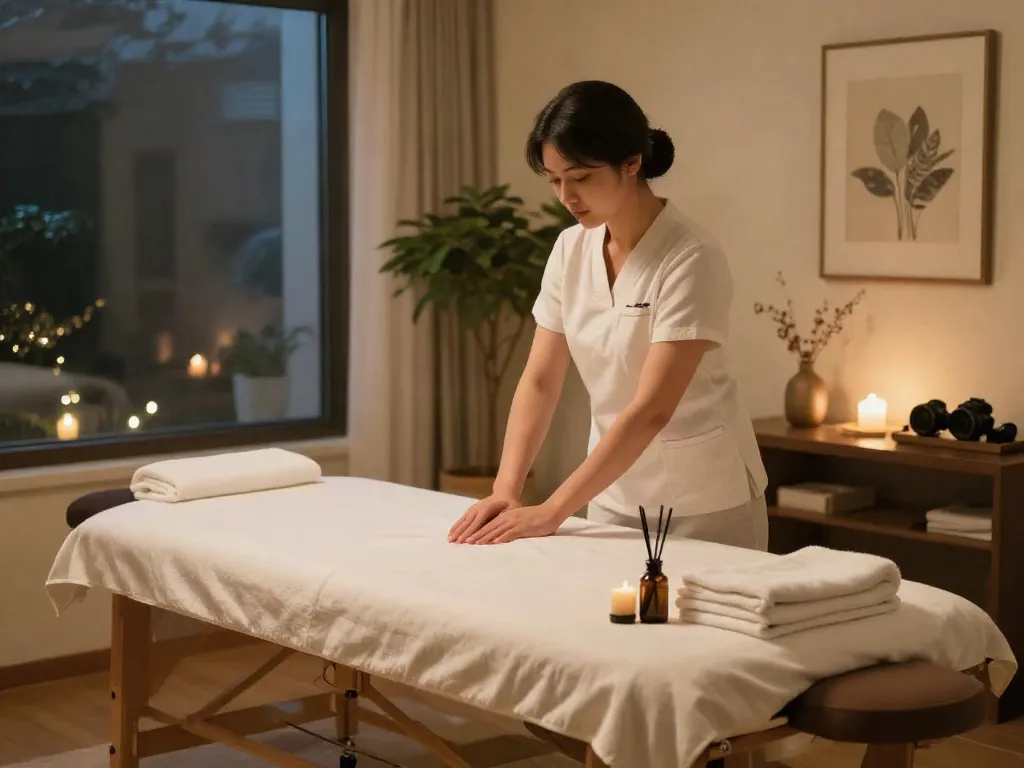
Elements such as lighting, music, and décor play pivotal roles in establishing a calming environment. Soft lighting and soothing music can help create a serene atmosphere conducive to relaxation. It’s essential for a massage space to be free from distractions, ensuring a focused experience.
Understanding the Impact of Aromatherapy
Aromatherapy can complement a massage session, enhancing relaxation and stress reduction. Essential oils like lavender, eucalyptus, and chamomile can be used in diffusers or mixed with massage oils. When combined with traditional massage techniques, aromatherapy can create a multi-sensory experience that promotes deeper relaxation.
Essential Tools and Equipment for a Massage Studio
Basic equipment such as a quality massage table, linens, and oils are critical for a professional practice. In addition, tools like heated pads, massage balls, and other personalized equipment can enhance the therapeutic experience. Ensuring that the tools are clean and well-maintained is vital for client safety and comfort.
Future Trends in the Massage Industry (2026 and Beyond)
As we look towards the future, the massage industry is poised for exciting developments that will influence service delivery and customer engagement. Understanding these trends can empower consumers to make informed choices about their health and wellness.
Emerging Techniques and Technologies
Technological advancements are shaping how massage therapy is delivered. From virtual consultations to mobile apps for scheduling and client feedback, technology is streamlining service provision. Emerging techniques like integrative therapies that combine massage with modalities such as acupuncture and reflexology are also gaining popularity, offering comprehensive health benefits.
Integrating Wellness Practices into Massage Therapy
As wellness becomes a focal point for many individuals, the integration of holistic practices is on the rise. This includes combining massage therapy with nutrition advice, physical fitness, and mental wellness strategies to create a comprehensive health model. A multidisciplinary approach can lead to improved health outcomes and overall well-being.
Consumer Expectations and Industry Adaptations
Today's consumers are increasingly demanding personalized experiences. In response, the massage industry is adapting to offer tailored services that cater to individual needs and preferences. This includes flexible appointment scheduling, customized treatment plans, and enhanced client education on the benefits of different massage techniques.
How to Prepare for Your First Massage?
Preparing for your first massage can enhance the experience. Arrive early to fill out any necessary paperwork and discuss your needs with the therapist. Wear loose, comfortable clothing, and refrain from eating a heavy meal beforehand. Hydrating before and after your session is also recommended for optimal results.
What to Expect During a Massage Session?
During a massage, you will typically begin by discussing your preferences and any areas of concern with your therapist. You can expect a personalized experience tailored to your needs. The session may vary in pressure and technique depending on your comfort level, and you are encouraged to communicate with your therapist throughout to ensure satisfaction.
Aftercare Tips Following a Massage Treatment?
Post-massage care is crucial in maximizing the benefits of your treatment. It is advisable to hydrate thoroughly to help flush out any toxins released during the session. Resting and avoiding strenuous activities for the remainder of the day can also help enhance the therapeutic effects. Additionally, consider taking a warm bath with Epsom salts to further relax your muscles.
How to Choose the Best Massage Type for You?
Choosing the best type of massage involves understanding your specific needs and goals. If you’re seeking relaxation, a Swedish massage may be ideal. For chronic pain or muscle stiffness, deep tissue therapy could be more effective. Consulting with a qualified therapist can help you identify the most suitable approach based on your health status and personal preferences.